Call Us 24/7


 All Photos (7)
Days
Welcome to Turkmenistan! Upon arrival at Ashgabat International Airport, you will be met by your guide and transferred to your hotel for check-in. After some time to rest and refresh, you will begin your first exploration of the capital. Ashgabat is known for its white marble buildings, golden domes and carefully landscaped parks, and it offers a striking first impression of the country.
Your sightseeing starts at Independence Park, where the Independence Monument rises above fountains and statues of famous figures from Turkmen history. You will then visit the Ertugrul Gazi Mosque, an elegant mosque inspired by the Blue Mosque of Istanbul and one of the city's most recognisable landmarks. Your guide will tell you about the history of Ashgabat, from its founding as a Russian fort in the 19th century to its reconstruction after the 1948 earthquake. Along the way, you will see the impressive government buildings and monuments that line the city's broad avenues. This first day is a gentle introduction before the long and adventurous journey ahead. You will also receive a briefing on the expedition route, which will take you from the far west of the country to its eastern regions. In the evening, enjoy dinner at a local restaurant. Overnight at your hotel in Ashgabat.
After breakfast, you will leave Ashgabat and head west along the foothills of the Kopetdag Mountains. Your first stop is an Akhal-Teke horse farm, where you can admire these graceful golden horses and learn about their ancient bloodline. Next, you will visit Gokdepe, the site of a famous 19th-century battle, where the beautiful Saparmurat Hajji Mosque now stands as a memorial.
The journey continues to Kow-Ata, an underground lake located inside a large cave. After descending a long staircase, you can swim in the warm, mineral-rich water, which is said to be good for health. The afternoon drive takes you into the mountains toward the remote village of Nokhur. Nokhur is home to a community with its own unique traditions, and its people are believed by some to be descended from the soldiers of Alexander the Great. The village is known for its old cemetery, where graves are decorated with the horns of mountain goats as symbols of strength and protection. You will stay with a local family or in a guesthouse and experience genuine Turkmen hospitality. Dinner will be served in a traditional setting with homemade dishes. Overnight in Nokhur.
Today you will travel deeper into western Turkmenistan, where the scenery becomes wilder and more dramatic. After breakfast with your host family, you will drive through mountain roads and valleys toward Karakala. Along the way, you will pass through areas often described as moon-like, with bare, eroded hills in shades of grey, cream and ochre.
You will then enter the Sumbar Valley, a fertile green corridor known for its orchards, pomegranates and walnut trees. This region has a unique microclimate, which allows subtropical plants to grow alongside the dry mountains. Your guide will take you to several historic mausoleums scattered across the valley, many of which are still visited by pilgrims. These sites offer insight into the local Sufi traditions and the spiritual life of rural Turkmenistan. There will be plenty of opportunities to stop for photographs and short walks. Lunch will be served at a local café or as a picnic in a scenic spot. In the late afternoon, you will arrive in Karakala, a quiet town surrounded by mountains. Overnight in Karakala at a local guesthouse or hotel.
After breakfast, you will continue your journey south-west toward the ancient region of Dekhistan, near the border with Iran. The landscape gradually changes from mountain valleys to dry plains and semi-desert. Dekhistan was once an important stop on the Silk Road, linking Khorezm with Persia, and it flourished between the 10th and 15th centuries.
Today you will explore the ruins of the medieval city of Misrian, one of the most impressive archaeological sites in western Turkmenistan. The remains of two tall minarets and the portal of a great mosque still stand above the plain, decorated with beautiful brick patterns and inscriptions. Your guide will explain how an advanced irrigation system once allowed a thriving city to grow here in the middle of the desert. You will also visit the necropolis of Mashad, where ancient mausoleums and burial grounds tell the story of the city's past. The silence and remoteness of the site make it a truly atmospheric place. There will be time to walk among the ruins and take photographs. Afterward, you will continue to your overnight location. Dinner and overnight near Dekhistan or in a nearby town.
Today you will travel north-west to the shores of the Caspian Sea, the largest enclosed body of water on Earth. The drive takes you across wide desert plains and past the Balkan Mountains. In the afternoon, you will arrive in Turkmenbashy, the country's main port city, formerly known as Krasnovodsk.
After checking into your hotel, the rest of the day is free for you to relax and explore at your own pace. You may wish to stroll along the seafront, enjoy the sea breeze, or visit one of the beaches. Another option is the nearby Avaza National Tourist Zone, a modern resort area with hotels, beaches and promenades. If you enjoy local markets, you can visit the city bazaar, where you will find fresh fish, caviar and other Caspian specialities. The city also has a small museum where you can learn about local history and the region's role as a gateway between Central Asia and the Caucasus. This relaxed day offers a welcome break after several days on the road. In the evening, you may enjoy a seafood dinner at a local restaurant. Overnight at your hotel in Turkmenbashy.
After breakfast, you will leave Turkmenbashy and travel to Gozli Ata, an important Sufi pilgrimage site in the desert. Gozli Ata was a respected Sufi teacher who lived in the 13th and 14th centuries, and his mausoleum is surrounded by an old cemetery. Pilgrims come here from all over Turkmenistan to pray, make wishes and pay their respects. Your guide will explain the local customs and the importance of such holy places in Turkmen spiritual life.
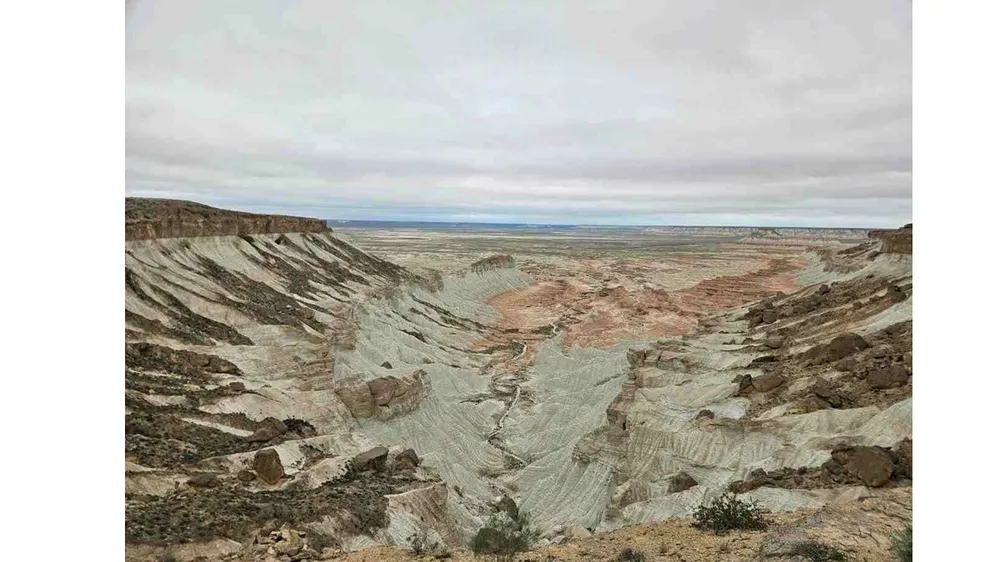
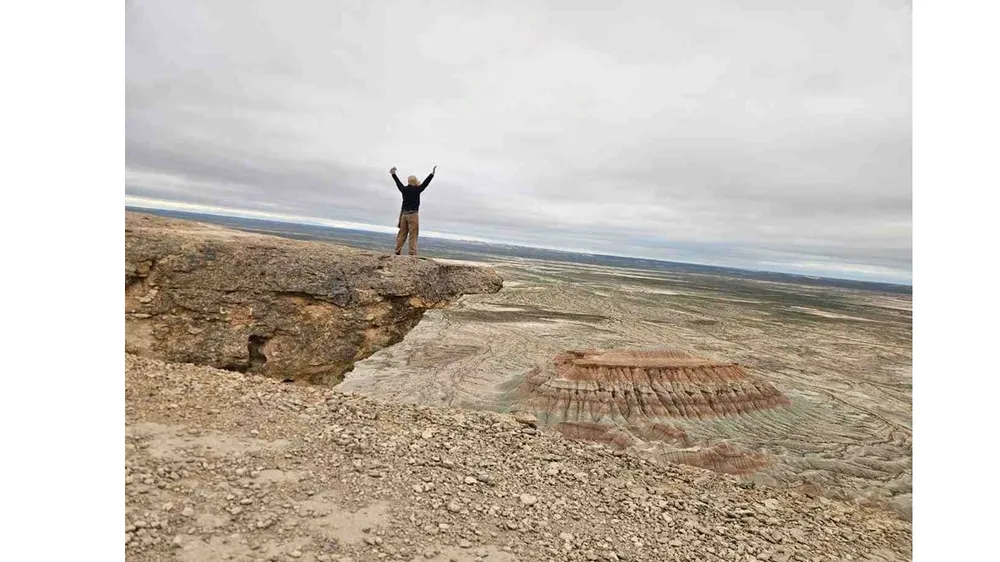
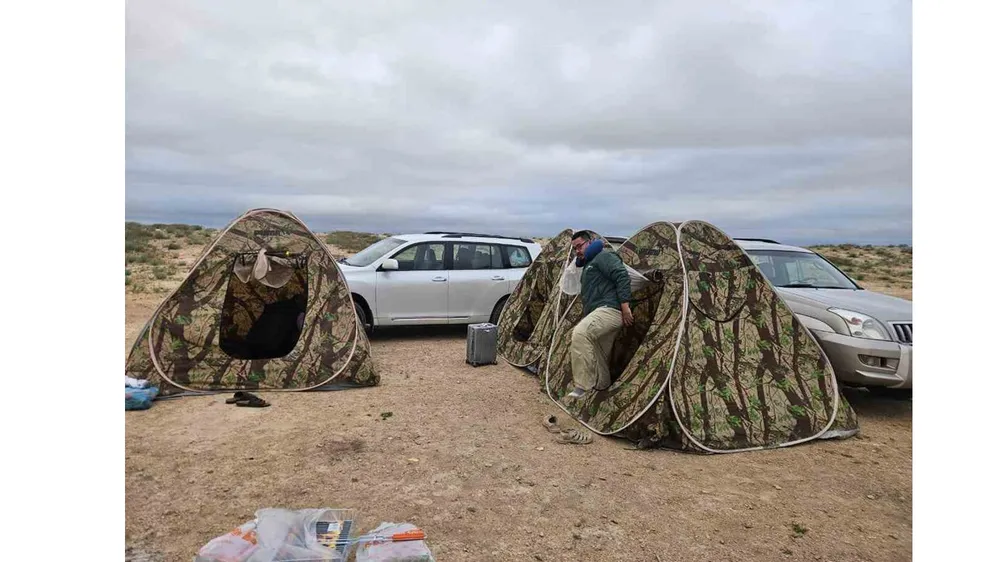
The drive then continues to Yangykala Canyon, one of the most spectacular natural sites in the country. The name means "fire fortress", which refers to the red, orange, pink and white cliffs that seem to glow in the light of the setting sun. The canyon was once the bed of an ancient sea, and its walls rise steeply above the desert floor. You will have time to walk along the edge of the canyon and enjoy the endless views. Photographers will find this place especially rewarding during the golden hours. As evening falls, your team will set up camp near the canyon. Dinner will be prepared over a campfire. Overnight in tents under the stars.
Wake up early to watch the sunrise over Yangykala Canyon, when the cliffs change colour with the morning light. After breakfast at camp, you will take a trek along the canyon, walking among its colourful rock formations and steep valleys. Your guide will point out the different layers of rock, which reveal millions of years of geological history.
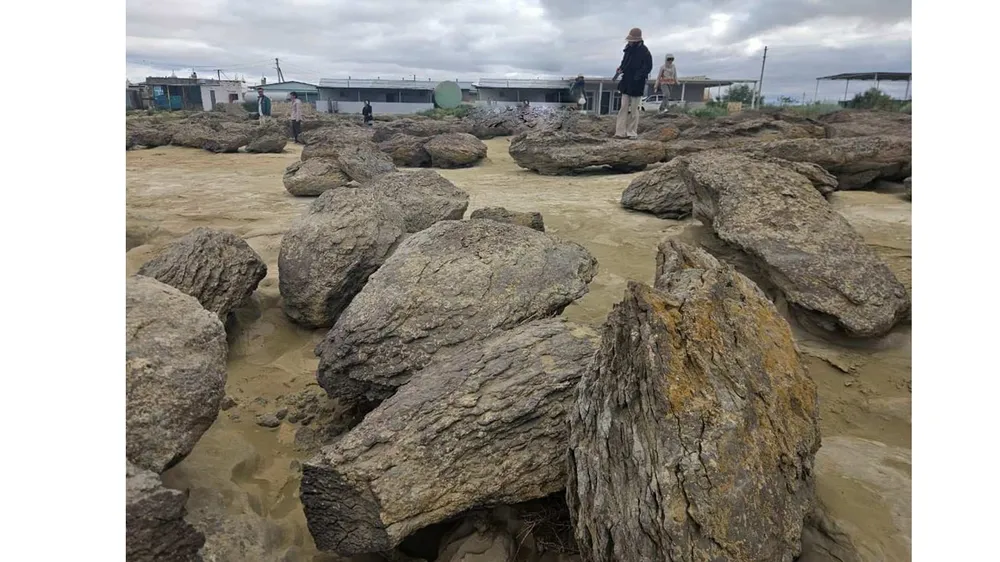
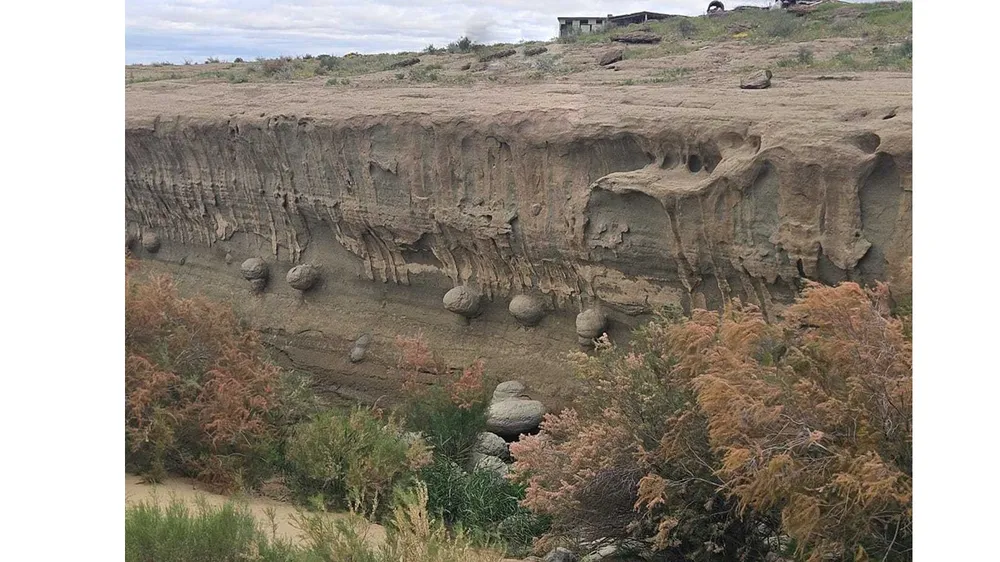
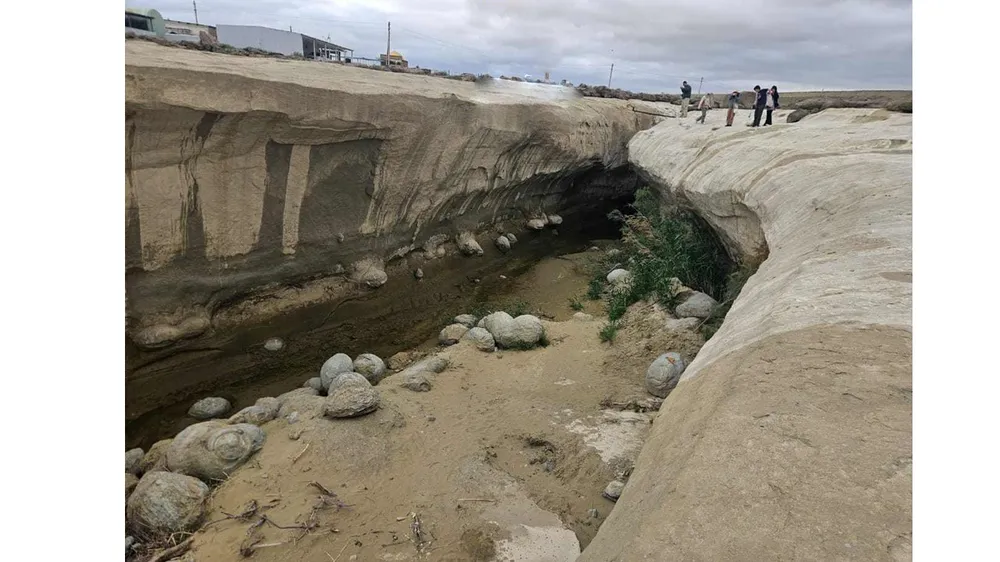
Later in the day, you will drive to Kemal Ata, a remote and sacred site in the desert. Kemal Ata is known for its spring, which local people believe has healing powers. The area is also famous for its unusual dark volcanic boulders, scattered across the landscape in strange shapes. Pilgrims come here to pray, drink from the spring and tie pieces of cloth to the trees as symbols of their wishes. Your guide will share the legends connected with this place and its spiritual significance. The journey through this region is quiet and remote, giving you a true sense of the vastness of western Turkmenistan. Lunch will be served as a picnic along the way. In the evening, you will reach your camp for dinner. Overnight in tents.
After breakfast, you will continue your expedition toward the semi-nomadic settlement of Koymat. Here you will have the chance to meet local families who still follow a traditional way of life based on livestock breeding. You will see how they care for their camels, sheep and goats, and how they live in harmony with the harsh desert environment.
Your hosts may invite you to share a cup of green tea and fresh bread baked in a traditional clay oven called a tamdyr. This is a rare opportunity to learn about the customs, daily routines and hospitality of desert communities. After the visit, you will begin a long crossing of the desert toward Ygdykala. The route follows tracks across sandy and clay plains, where you may spot desert wildlife such as lizards, tortoises or birds of prey. In the afternoon, you will reach the ancient Parthian fortress of Ygdykala, situated on a hill above the old bed of the Uzboy River. The massive walls of the fortress offer wide views over the surrounding desert. Your guide will explain the history of the site and its role in protecting ancient trade routes. Overnight at a camp near the fortress.
Today is one of the most adventurous days of the expedition. After breakfast at camp, you will set out on an off-road journey through the central Karakum Desert. The route crosses sand dunes, dry riverbeds and wide open plains where there are no roads, only tracks known to experienced desert drivers.
You will travel in 4x4 vehicles, which allows you to reach parts of the desert rarely visited by tourists. Along the way, you will stop to stretch your legs, take photographs and enjoy the absolute silence of the desert. Your guide will tell you about the plants and animals of the Karakum, including saxaul trees, desert foxes and monitor lizards. Lunch will be served as a picnic in the shade of the dunes. In the late afternoon, you will arrive at the Darvaza Gas Crater, the famous "Gates of Hell". This burning crater has been on fire for decades and is one of the most remarkable sights in Central Asia. After sunset, the glowing flames become even more impressive against the dark desert sky. Enjoy a barbecue dinner at the camp. Overnight in a yurt or tent near the crater.
After breakfast at the camp, you will visit two lesser-known craters near Darvaza. The first is a crater filled with bubbling mud, and the second contains turquoise water, creating an unusual contrast with the sandy landscape. Both were formed as a result of Soviet gas exploration in the area. You will then continue south, passing the small desert village of Yerbent, where you can see traditional houses and herds of camels.
Upon arrival near Ashgabat, you will visit the ruins of Old and New Nisa. Old Nisa, a UNESCO World Heritage Site, was a royal residence of the Parthian kings, and its ruins include palaces, temples and treasuries. Your guide will explain the importance of Nisa in the ancient world and the beautiful ivory rhytons discovered here. Later, you will visit the Turkmenbashi Ruhy Mosque in Gypjak, one of the largest mosques in Central Asia. The mosque can hold thousands of worshippers and is decorated with marble, gold and intricate patterns. Next to it stands the mausoleum of the country's first president. In the evening, you will check into your hotel in Ashgabat and enjoy a farewell dinner. Overnight in Ashgabat.
Today your West-to-East Karakum Expedition comes to an end. After breakfast at the hotel, you will have some free time depending on your flight schedule. You may wish to visit a nearby bazaar for last-minute souvenirs or take a final walk through the city's parks and boulevards.
Please check out of your room by the agreed time and leave your luggage at the reception if needed. Your guide and driver will meet you in the hotel lobby at the scheduled time. You will then be transferred to Ashgabat International Airport for your onward flight. Our team will help you with luggage and check-in procedures. If you have purchased carpets or other handicrafts, please keep the receipts and certificates ready for customs. Over the past eleven days, you have travelled from the mountains of Kopetdag to the shores of the Caspian Sea and across the heart of the Karakum Desert. We hope this expedition has given you a deep understanding of Turkmenistan's landscapes, history and culture. Thank you for travelling with us, and we wish you a pleasant journey home.
We take care of every detail so you can travel with confidence and ease.

Call Us 24/7
Jahana Seyran Travel © All Rights Reserved.