Call Us 24/7


 All Photos (8)
Days
Welcome to Ashgabat and the start of your grand Silk Road journey through Turkmenistan, Uzbekistan and Kyrgyzstan! Upon arrival at Ashgabat International Airport, you will be met by your guide and assisted with arrival formalities. You will then be transferred to your hotel in the city centre. Ashgabat, the capital of Turkmenistan, is famous for its white marble buildings, golden domes and grand monuments.
After check-in, the rest of the day is free for you to rest after your journey. If you arrive early, you may wish to take a short walk around the nearby streets and parks. Ashgabat is a clean and well-organised city, and its wide boulevards are pleasant for an evening stroll. Your guide will give you a short briefing about the program for the coming days. Over the next twenty-three days, you will travel through three countries and visit some of the most famous cities of the Silk Road. This is a good time to ask any questions about the tour, local customs or practical matters such as money exchange. In the evening, you can enjoy dinner at the hotel or a nearby restaurant. Overnight at your hotel in Ashgabat.
After breakfast, you will begin a full-day sightseeing tour of Ashgabat. Your first visit is one of the city's museums, where you can learn about the history and culture of Turkmenistan from ancient times to the present day. The collections include artefacts from Nisa, Merv and Margiana, as well as traditional costumes, jewellery and carpets.
Next, you will visit Independence Park, home to the Independence Monument and statues of national heroes. You will then see the Arch of Neutrality, a tall monument topped with a golden statue, from where you can enjoy panoramic views of the city. The tour continues with visits to some of the city's mosques, including the Ertugrul Gazi Mosque, inspired by Ottoman architecture. Your guide will tell you about the history of Ashgabat and its reconstruction after the earthquake of 1948. You will also see many government buildings, parks and fountains along the city's broad avenues. In the evening, enjoy a welcome dinner featuring traditional Turkmen dishes. Overnight at your hotel in Ashgabat.
After breakfast, you will explore the area around Ashgabat. Your first visit is the Turkmenbashi Ruhy Mosque in Gypjak, one of the largest mosques in Central Asia. With its golden dome and four minarets, the mosque is an impressive example of modern Islamic architecture.
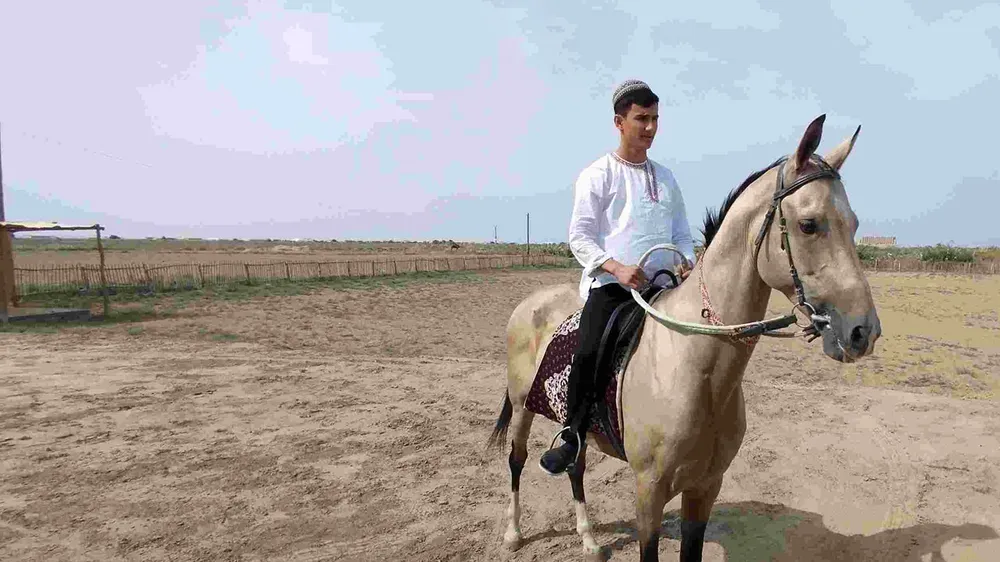
Next, you will visit the ancient ruins of Nisa, a UNESCO World Heritage Site and one of the first capitals of the Parthian Empire. You will walk among the ruins of palaces and temples and learn about the history of this ancient empire. In the afternoon, you will visit an Akhal-Teke horse farm, home to the famous golden horses of Turkmenistan. You will learn about the history of the breed and its importance in Turkmen culture. Finally, you will visit the Kow-Ata underground lake, located inside a large cave. You can swim in the warm, mineral-rich water, which stays at a pleasant temperature all year round. In the evening, you will return to Ashgabat for dinner. Overnight at your hotel.
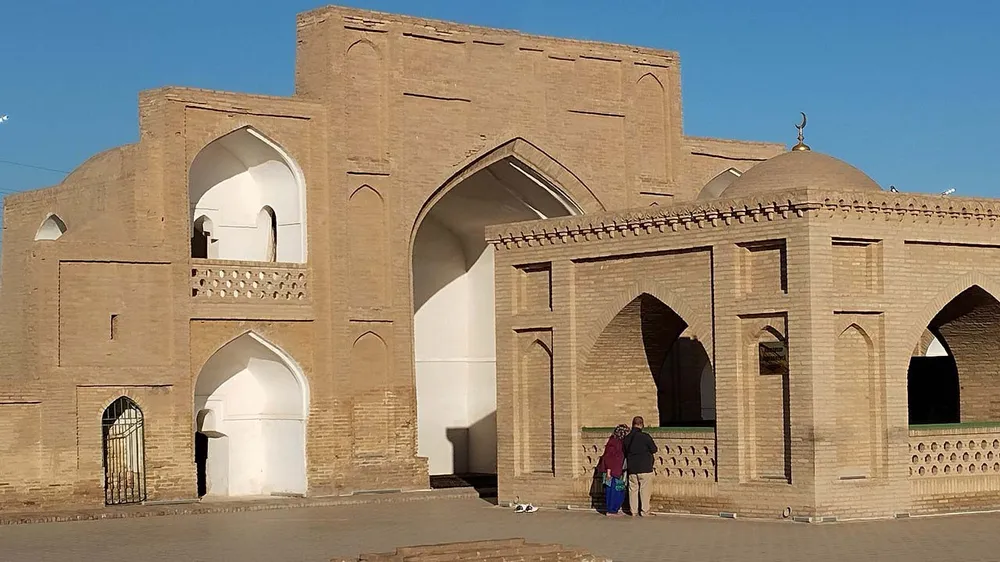
After breakfast, you will leave Ashgabat and drive east toward Mary along the route of the ancient Silk Road. Along the way, you will visit several historic mosques and medieval sites. Your first stop is the ruins of the Seyitjemaleddin Mosque near the village of Anau.
This 15th-century mosque was famous for its decorated portal featuring images of dragons, and it remains an important pilgrimage site. Next, you will visit the medieval settlement of Abiverd, an important trading town on the Silk Road between the 9th and 13th centuries. You will walk among the ruins of the city walls and learn about the history of the area. Your guide will tell you about the caravans that once travelled along this route between Persia and Central Asia. You will have lunch at a local café along the way. The road continues across the plains to Mary, the centre of one of the oldest oases in Central Asia. On arrival, you will check into your hotel. Overnight in Mary.
After breakfast, you will spend the day exploring Ancient Merv, a UNESCO World Heritage Site and one of the greatest cities of the Silk Road. Merv was home to several cities built side by side over more than two thousand years. You will visit the ancient fortresses of Erk Kala and Gyaur Kala, which date back to the 6th century BC.
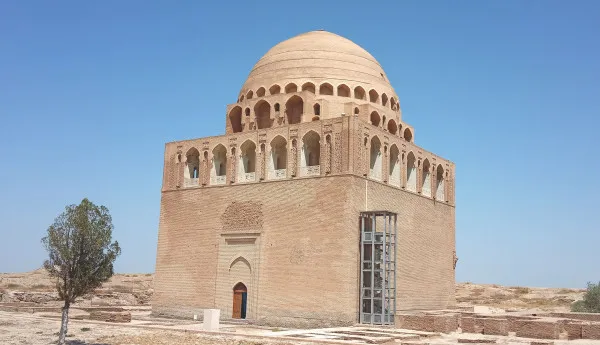
Next, you will see Sultan Kala, the capital of the Seljuk Empire, and the magnificent Mausoleum of Sultan Sanjar. You will also visit the Kyz Kala mansions, with their distinctive ribbed walls, and the mausoleums of companions of the Prophet Muhammad. Your guide will tell you about the history of Merv and its role as a centre of trade, science and culture. You will also learn about the destruction of the city by the Mongols in 1221. In the afternoon, you may visit the Mary History Museum, which displays artefacts from Merv and other sites in the region. In the evening, return to your hotel for dinner. Overnight in Mary.
After breakfast, you will return to Ashgabat and visit the Halk Hakydasy Memorial Complex. This memorial is dedicated to the victims of the 1948 earthquake and to those who lost their lives in the wars of the 20th century. The complex is an important place of remembrance for the Turkmen people.
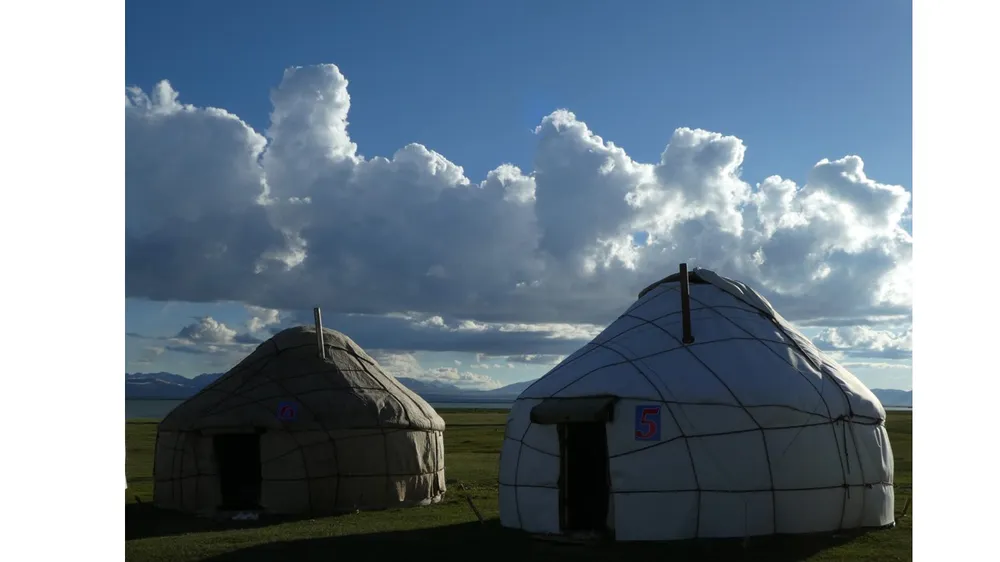
After the visit, you will begin your journey north into the Karakum Desert. The drive to the Darvaza Gas Crater takes about four hours, with stops along the way for photographs. You will pass through small desert villages and see camels grazing among the dunes. In the late afternoon, you will arrive at the crater, known as the "Gates of Hell". This huge burning crater has been on fire since the 1970s and is one of the most unusual sights in the world. You will watch the sunset and see the flames become more dramatic as darkness falls. In the evening, enjoy dinner at the yurt camp. Overnight in a yurt near the crater.
After breakfast at the camp, you will continue north across the Karakum Desert toward Kunya Urgench. The route crosses the northern part of the desert, where the landscape gradually changes to farmland and irrigated fields. In the afternoon, you will arrive at Kunya Urgench, a UNESCO World Heritage Site.
Kunya Urgench was once the capital of Khorezm and one of the most important cities of the Silk Road. You will visit the Gutlug Timur Minaret, which stands around 60 metres high and is one of the tallest minarets in the region. Next, you will see the Mausoleum of Turabek Khanum, famous for its beautiful mosaic dome. You will also visit the Mausoleum of Sultan Tekesh, the Mausoleum of Il-Arslan and the Mausoleum of Najmeddin Kubra. Your guide will tell you about the history of these ruins and their destruction by the Mongols in the 13th century. After the visits, you will continue to your accommodation. Overnight in Kunya Urgench or Dashoguz.
After breakfast, you will drive to the Turkmenistan–Uzbekistan border. After completing border formalities, you will be met by your Uzbek guide and driver. You will then continue to Khiva, one of the best-preserved cities on the Silk Road.
Khiva is often called a "museum city", as its walled inner city, Ichan-Qala, is filled with historic monuments. Most of the buildings you see today date from the 18th and 19th centuries, when Khiva was the capital of a powerful khanate. You will visit the Kalta Minor Minaret, famous for its blue and green tiles, and the Kunya Ark fortress. You will also see the Islam Khodja Minaret, the tallest in Khiva, and the Juma Mosque with its carved wooden columns. Your guide will tell you about the history of Khiva and the khans who ruled it. In the evening, the city is beautifully lit, creating a magical atmosphere. You can enjoy dinner at a local restaurant. Overnight at your hotel in Khiva.
After breakfast, you will leave Khiva for an excursion to the ancient fortresses of Karakalpakstan. The route crosses the Amu Darya River, one of the largest rivers in Central Asia. On the other side of the river, you will explore the desert fortresses known as the "Golden Ring of Ancient Khorezm".
Your first visit is Toprak-Kala, a fortress dating back to the 1st to 4th centuries AD. Toprak-Kala was once the residence of the rulers of Khorezm, and archaeologists have found beautiful wall paintings and sculptures here. Next, you will visit Ayaz-Kala, a group of fortresses built on hills overlooking the desert. These pre-Islamic citadels offer spectacular views of the surrounding landscape. Your guide will tell you about the history of ancient Khorezm and its Zoroastrian culture. Lunch may be served in a traditional yurt camp near Ayaz-Kala. In the late afternoon, you will return to Khiva. Overnight at your hotel in Khiva.
After breakfast, you will leave Khiva and begin a journey across the Kyzylkum Desert to Bukhara. The journey takes most of the day, with stops along the way for rest and photographs. Along the route, you will see views of the Amu Darya River and the vast desert landscape.
During the journey, you will visit a community of Karakul sheep breeders. Karakul sheep are famous for their soft, curly wool, which has been used to make hats and clothing for centuries. You will learn about the traditional methods of breeding and caring for the sheep. Your hosts may invite you to share tea and bread and tell you about their way of life in the desert. Lunch will be served at a roadside café. In the late afternoon, you will arrive in Bukhara and check into your hotel. In the evening, you can take a walk around the Lyabi-Hauz pond. Overnight in Bukhara.
After breakfast, you will explore the architectural masterpieces of Bukhara, one of the holiest cities in Central Asia. Your first visit is the Samanid Mausoleum, built in the 10th century and one of the oldest monuments of Islamic architecture in Central Asia. Its intricate brickwork creates beautiful patterns that change with the light throughout the day.
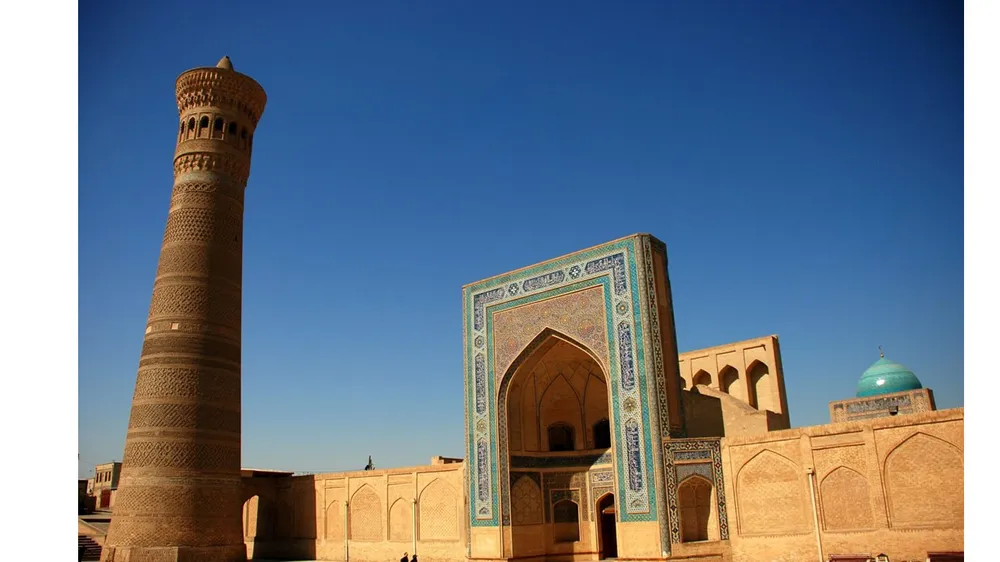
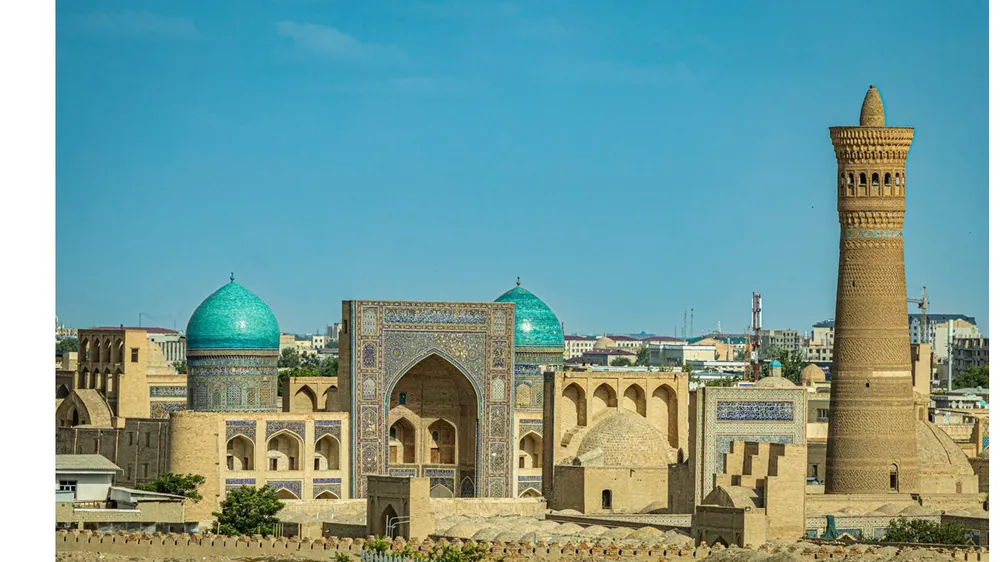
Next, you will visit the Ark Citadel, a massive fortress that served as the residence of the rulers of Bukhara for centuries. You will see the throne room, the mosque and the museums inside the citadel. You will also visit the Bolo Hauz Mosque, with its elegant wooden columns reflected in the pond. In the afternoon, you will visit the Poi Kalon Complex, including the Kalon Minaret, the Kalon Mosque and the Mir-i-Arab Madrasah. Your guide will tell you about the history of Bukhara and its importance as a centre of Islamic learning. In the evening, you can enjoy dinner at a local restaurant. Overnight in Bukhara.
After breakfast, you will continue exploring Bukhara. Your first visit is the Lyabi-Hauz Complex, built around a pond surrounded by historic madrasahs and a khanaka. Next, you will visit the madrasahs of the old city, including the Ulugbek and Abdulaziz Khan madrasahs, which stand facing each other.
You will also visit the trading domes, where you can buy carpets, ceramics, textiles and other handicrafts. Another highlight is the Chor Minor, a small madrasah with four distinctive towers. Your guide will tell you about the history of these monuments and the life of the city in the past. In the afternoon, you will have some free time to explore the old town or visit craft workshops. In the evening, you will enjoy a traditional performance, featuring music, dance and a fashion show of national costumes. This performance is often held in the courtyard of a historic madrasah. It is a wonderful way to experience the culture of Bukhara. Overnight in Bukhara.
After breakfast, you will leave Bukhara and travel to Samarkand. Along the way, you will visit the Rabat-i Malik caravanserai, a historic stop on the Silk Road where merchants and their camels once rested. You will see the remains of the caravanserai and the nearby water reservoir, called a sardoba.
You will also visit historic mausoleums along the route, which are important pilgrimage sites for local people. Your guide will tell you about the life of merchants on the Silk Road and the goods that were traded along this route. Lunch will be served at a local café. The journey continues through farmland and villages toward Samarkand. In the afternoon, you will arrive in Samarkand and check into your hotel. In the evening, you may take a walk to Registan Square, which is beautifully lit at night. The atmosphere of the square in the evening is truly magical. Overnight in Samarkand.
After breakfast, you will explore Samarkand, one of the oldest cities in the world and the capital of Amir Timur's empire. Your first visit is Registan Square, surrounded by the magnificent Ulugbek, Sher-Dor and Tilya-Kori madrasahs. Their facades are covered with blue tiles and golden ornaments, creating one of the most famous views in Central Asia.
Next, you will visit the Gur-e-Amir Mausoleum, the tomb of Amir Timur and members of his family. The mausoleum is famous for its ribbed blue dome and its richly gilded interior. You will then visit the Bibi-Khanym Mosque, one of the largest mosques in the Islamic world when it was built in the early 15th century. In the afternoon, you will explore the Shah-i-Zinda Necropolis, a street of beautiful mausoleums decorated with some of the finest tilework in Central Asia. According to legend, a cousin of the Prophet Muhammad is buried here. Your guide will tell you about the history of Samarkand and its importance on the Silk Road. Overnight in Samarkand.
After breakfast, you will visit the Ulugbek Observatory, built in the 15th century by the astronomer-king Ulugbek, grandson of Amir Timur. The observatory was one of the most advanced in the world at the time, and you will see the remains of the giant sextant used to observe the stars. Your guide will tell you about Ulugbek's life and his contributions to science.
Next, you will visit one of the city's museums, such as the Afrosiyab Museum, which displays artefacts from the ancient city of Samarkand. The museum is famous for its 7th-century wall paintings, which show ambassadors from different countries. You may also visit a paper or silk workshop, where artisans use traditional methods. In the afternoon, you will be transferred to the railway station to board a high-speed train to Tashkent. The journey takes about two hours. On arrival, you will be met and transferred to your hotel. Overnight in Tashkent.
After breakfast, you will begin a tour of Tashkent, the capital of Uzbekistan. Your first visit is the Khast-Imam Square, the religious centre of the city. The complex houses the Uthman Quran, one of the oldest Qurans in the world, which dates back to the 7th century.
You will also visit the madrassas and mosques of the old city, which are beautifully decorated with tiles and carvings. Next, you will visit the Chorsu Bazaar, one of the largest and liveliest markets in Central Asia. Here you can buy fresh fruit, spices, bread and handmade goods. You will also take a ride on the famous Tashkent Metro, where each station is decorated in its own style. In the afternoon, you will visit Independence Square and Amir Timur Square. Your guide will tell you about the history of Tashkent and its development into a modern capital. In the evening, you can enjoy dinner at a local restaurant. Overnight in Tashkent.
After breakfast, you will leave Tashkent and drive through the Kamchik Pass to the Fergana Valley, the most fertile region of Uzbekistan. The road climbs through the mountains, offering beautiful views of peaks and valleys. The Fergana Valley is famous for its crafts, including silk weaving and ceramics.
In Margilan, you will visit the Yodgorlik silk factory, where you can see the entire process of silk production. You will see how silk threads are taken from cocoons, dyed and woven into beautiful ikat fabrics using traditional methods. Margilan has been a centre of silk production for centuries, and its silk was traded along the Silk Road. Next, you will visit Rishtan, famous for its blue and green ceramics. You will visit a pottery workshop, where you can watch masters creating and painting ceramics by hand. Your guide will tell you about the history and traditions of these crafts. In the evening, you will check into your hotel. Overnight in Fergana.
After breakfast, you will drive to the Uzbekistan–Kyrgyzstan border. After completing border formalities, you will be met by your Kyrgyz guide and driver. You will then continue to Osh, the second largest city in Kyrgyzstan and one of the oldest cities in Central Asia.
Osh has a history of more than three thousand years and was an important stop on the Silk Road. Your first visit is the Jayma Bazaar, one of the largest and oldest markets in Central Asia. Here you can find everything from fresh fruit and spices to traditional Kyrgyz hats and felt items. Next, you will visit the Sulaiman-Too Sacred Mountain, a UNESCO World Heritage Site, which rises above the city. The mountain has been a place of pilgrimage for centuries, and its caves house a regional museum. Your guide will tell you about the history of Osh and the legends of the mountain. In the evening, you will check into your hotel. Overnight in Osh.
After breakfast, you will leave Osh and drive north toward Lake Toktogul. Your first stop is Uzgen, an ancient town that was once the capital of the Karakhanid state. Here you will see the Uzgen minaret and mausoleums, which date back to the 11th and 12th centuries.
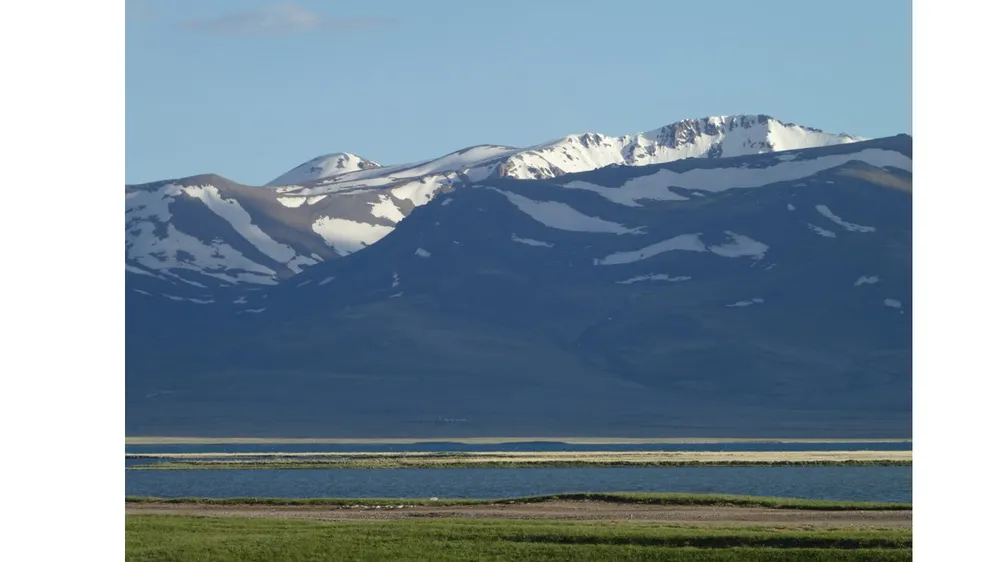
The mausoleums are famous for their beautiful carved brick and terracotta decorations. Your guide will tell you about the history of the Karakhanids and their role in the history of Central Asia. The journey then continues through the mountains along the Naryn River. You will see beautiful landscapes of mountains, valleys and gorges. In the afternoon, you will stop at the Toktogul Reservoir, a large lake surrounded by mountains. The turquoise water of the reservoir creates a stunning contrast with the surrounding peaks. In the evening, you will check into your guesthouse. Overnight in Toktogul.
After breakfast, you will leave Toktogul and drive toward the Suusamyr Valley. The route crosses a high mountain pass, offering spectacular views of snow-capped peaks and alpine meadows. You will stop at viewpoints along the way to take photographs.
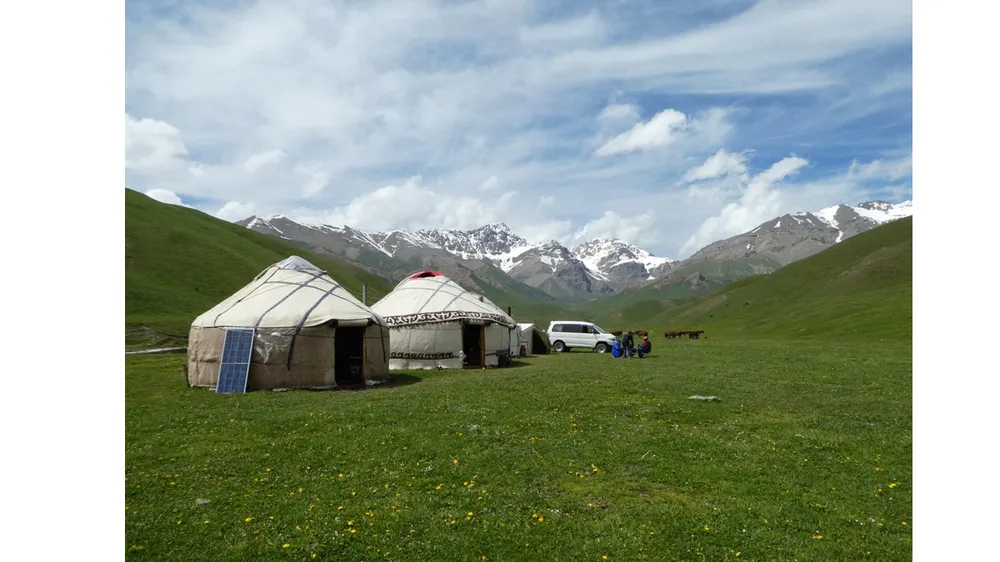
The Suusamyr Valley is a high mountain valley, where shepherds bring their flocks to graze during the summer months. In the afternoon, you will take a walk through the valley, enjoying the fresh mountain air and the peaceful atmosphere. You may see shepherds with their horses, sheep and yaks. In the evening, you will stay with a local family in their yurt or guesthouse. This is a wonderful opportunity to experience the nomadic lifestyle of the Kyrgyz people. Your hosts will prepare a traditional dinner, which may include beshbarmak, boorsok and kymyz. You can enjoy the stars and the silence of the mountains. Overnight with a local family in the Suusamyr Valley.
After breakfast with your hosts, you will say goodbye to the family and begin the drive to Bishkek. The route crosses the Too-Ashuu Pass, one of the highest mountain passes in the region. You will enjoy spectacular views of the mountains as you descend toward the Chuy Valley.
In the afternoon, you will arrive in Bishkek, the capital of Kyrgyzstan. After checking into your hotel, you will take an overview tour of the city. You will visit Ala-Too Square, the main square of the city, with the statue of Manas, the legendary hero of the Kyrgyz people. You will also see the Opera and Ballet Theatre, the White House and the city's many parks. Your guide will tell you about the history of Bishkek and its development into a modern capital. Bishkek is a green city with wide avenues and parks, surrounded by the snow-capped Ala-Too Mountains. In the evening, you can enjoy dinner at a local restaurant. Overnight in Bishkek.
After breakfast, you will visit the Osh Bazaar, one of the largest and liveliest markets in Bishkek. Here you can buy fresh fruit, spices, dried fruits and traditional Kyrgyz products such as felt items and kalpak hats. The bazaar is a great place to experience local life and buy souvenirs.
Next, you will drive south from Bishkek to the Ala-Archa National Park, located about 40 kilometres from the city. The park is located in a beautiful alpine gorge, surrounded by snow-capped peaks and forests of juniper and fir. You will take a hike through the mountain valley along the river, enjoying the fresh mountain air and spectacular views. The park is home to many species of plants and animals, including ibex and many species of birds. In the late afternoon, you will return to Bishkek. In the evening, you will enjoy a farewell dinner, featuring traditional Kyrgyz dishes and music. This is a wonderful opportunity to share memories of your long journey with your fellow travellers and guide. Overnight in Bishkek.
Today your grand Silk Road journey through Turkmenistan, Uzbekistan and Kyrgyzstan comes to an end. After breakfast at the hotel, you will have some free time depending on your flight schedule. You may wish to do some last-minute shopping or take a final walk through the city.
Please check out of your room by the agreed time. Your driver will meet you in the hotel lobby and transfer you to Manas International Airport. Our team will assist you with your luggage and check-in for your onward flight. Over the past twenty-three days, you have travelled through three countries and visited some of the most famous cities of the Silk Road. You have explored the white marble city of Ashgabat, the ancient cities of Merv and Kunya Urgench and the great cities of Khiva, Bukhara and Samarkand. You have also experienced the mountains and nomadic culture of Kyrgyzstan. We hope you have enjoyed this unforgettable journey. Thank you for travelling with us, and we hope to see you again soon.
We take care of every detail so you can travel with confidence and ease.

Call Us 24/7
Jahana Seyran Travel © All Rights Reserved.